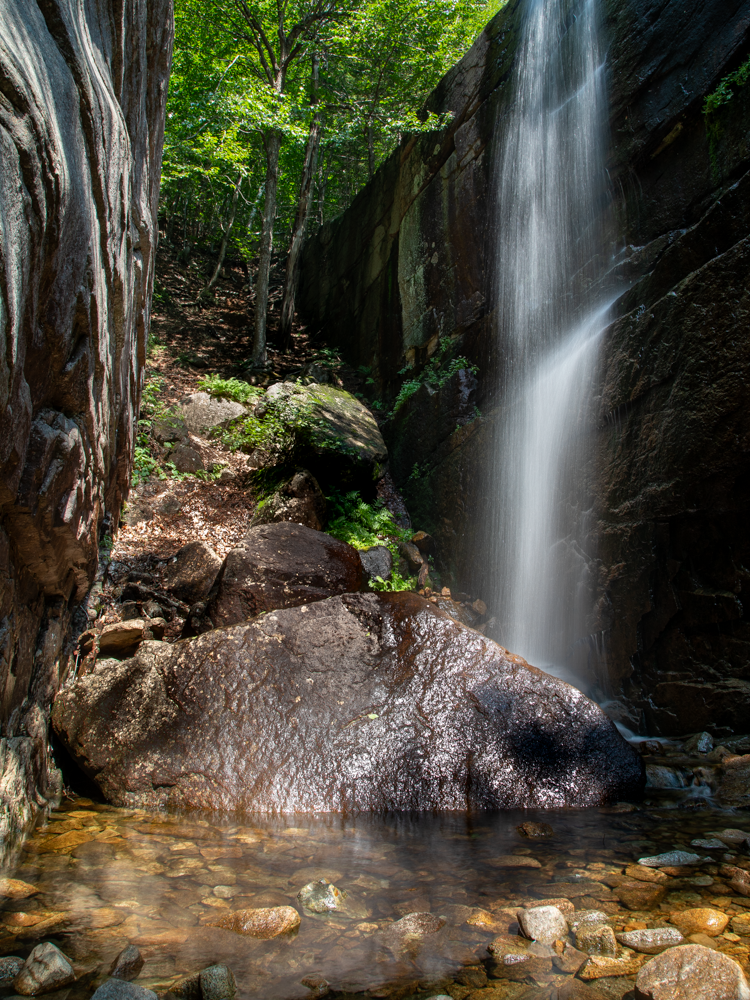
Champney Falls and Pitcher Falls are on the southern side of the Kancamagus highway in New Hampshire.
The falls are named after Benjamin Champney who was an artist in the White Mountains region. He was born in 1817 and died in 1907.
The trail runs up alongside the Champney Brook for about 1.5 miles. The trail starts at the same trailhead as the Piper trail, which is a very popular route up Mount Chocorua. Since I set out this day both mid-morning and without a clear plan, I was lucky to find a parking space. Moreson since I stopped to stretch my legs and take some photos from an overlook on the Kancamagus highway.
This trip was partly to test out my new hiking boots, and also how my gear was working out for my upcoming trip to Iceland. The last place to work out issues is on an expensive landscape photography trip!
I worked my way up the trail to the falls. The day was still, humid as heck and overly warm, with temperatures up in the mid to high 70’s (that’s about 25 Celsius).
I made the falls in about book time, which is nothing short of astonishing given how long it has been since I’ve been up in the hills.
I spent a couple of hours taking pictures and flying the drone. Overall, it was a worthwhile trip. Considering the new boots, I only had one blister, and that’s when I noticed the heel of that hiking sock as almost worn through. Oops.
Of course, this post is useless without pictures. So here they are.
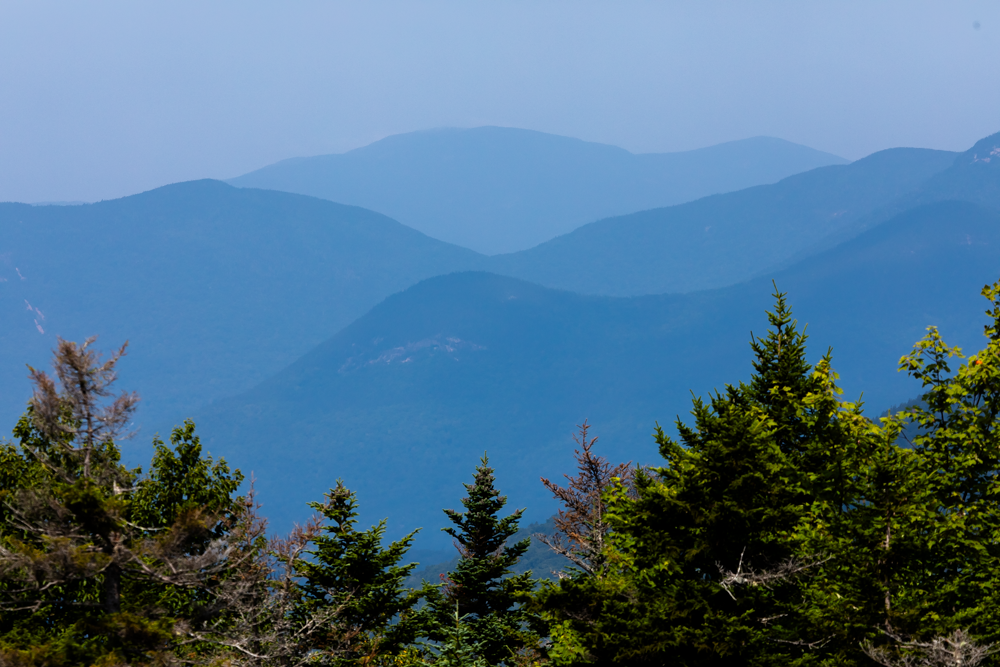
From the Overlook:
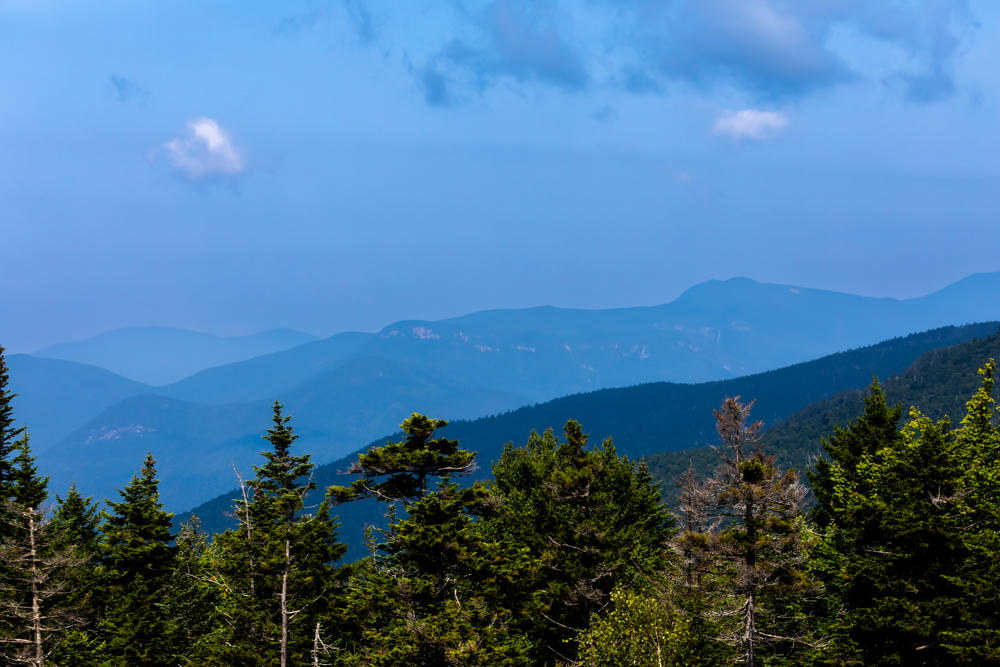
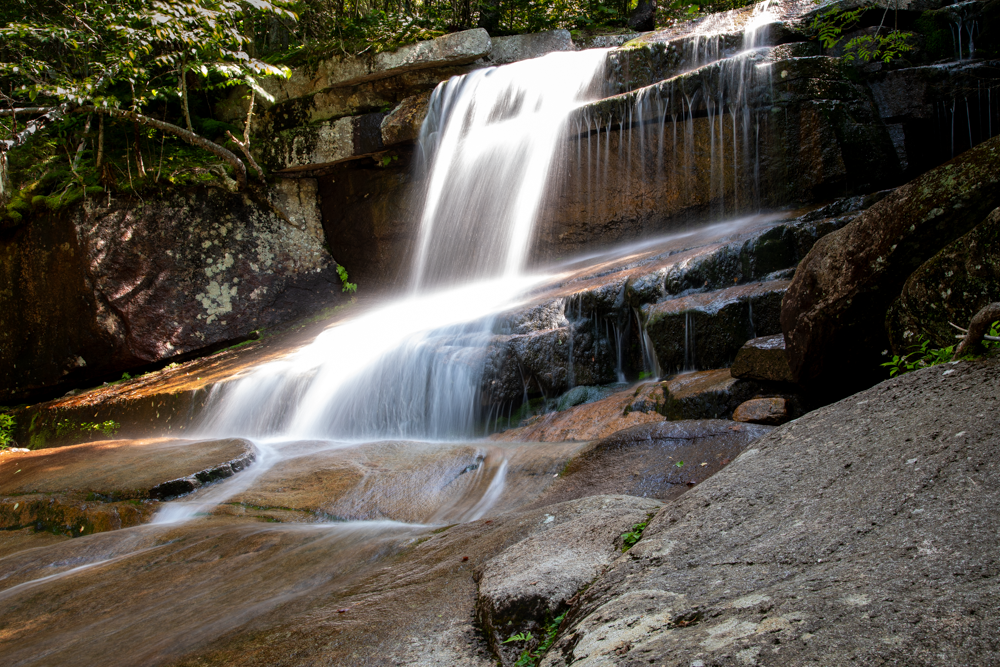
Champney Falls:
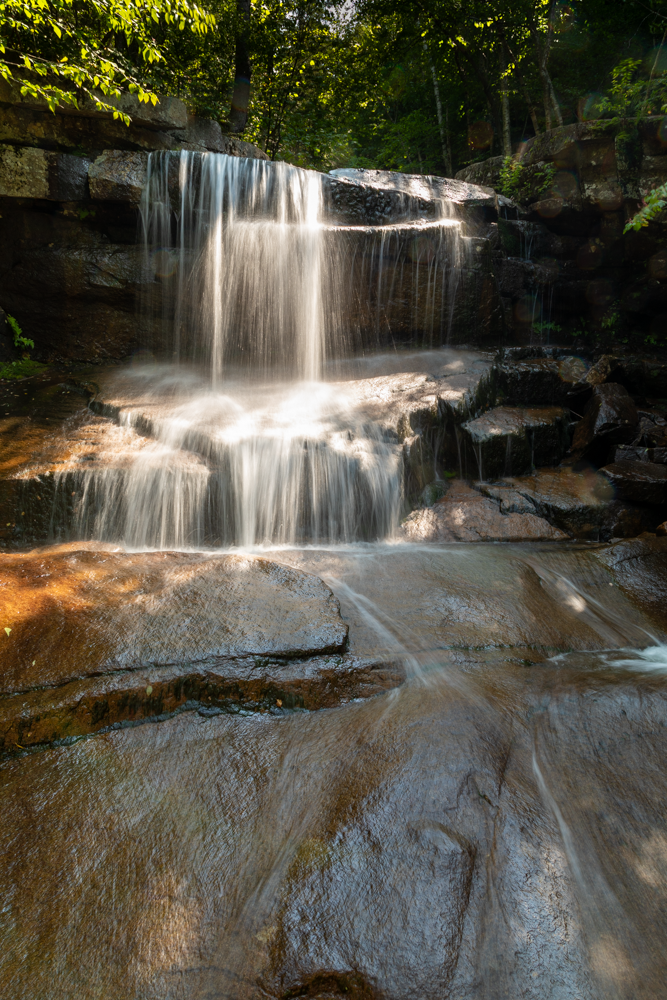
Pitcher Falls: