Redstone Quarry

Redstone Quarry is an abandoned industrial site in the North Conway region of the White Mountains.

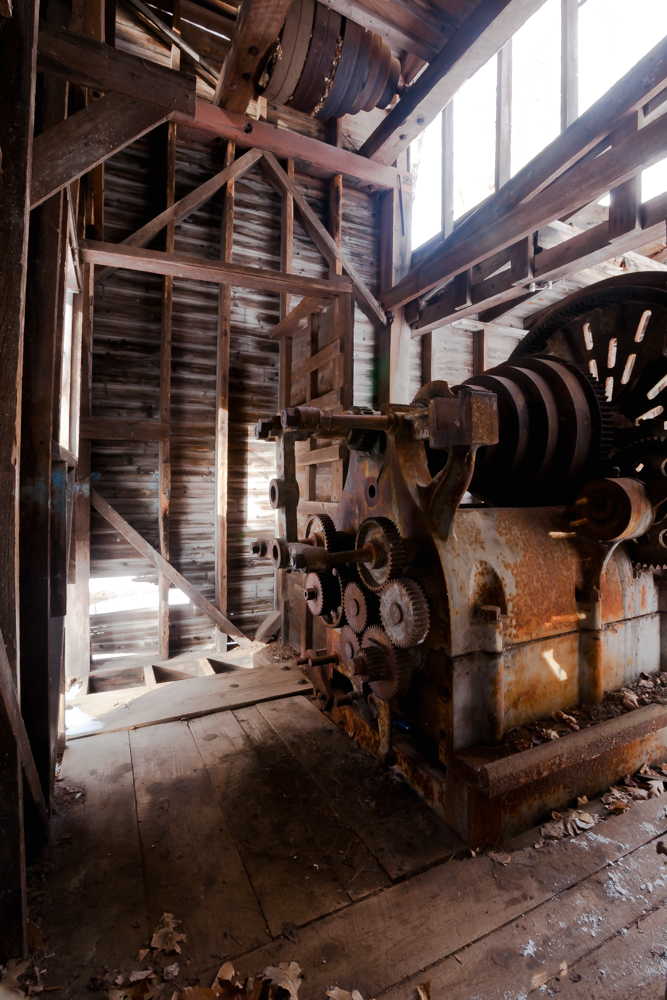
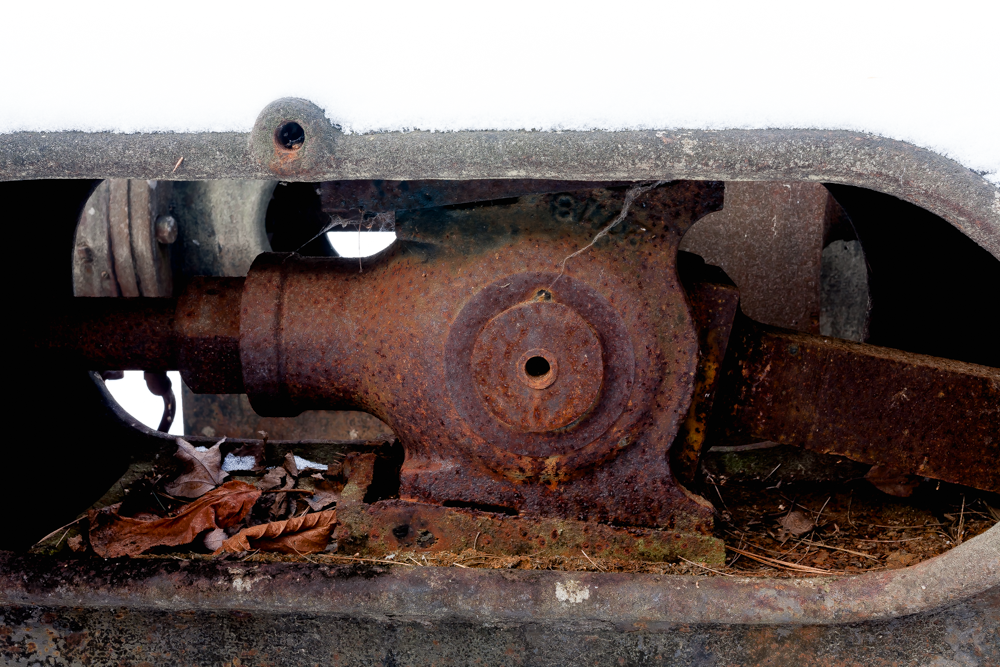
In use between the late 1800’s through to the 1940’s, when it closed.  Much of the industrial equipment was left in-situ to decay, including the air compressors and the huge lathes used to turn granite columns for architectural use.
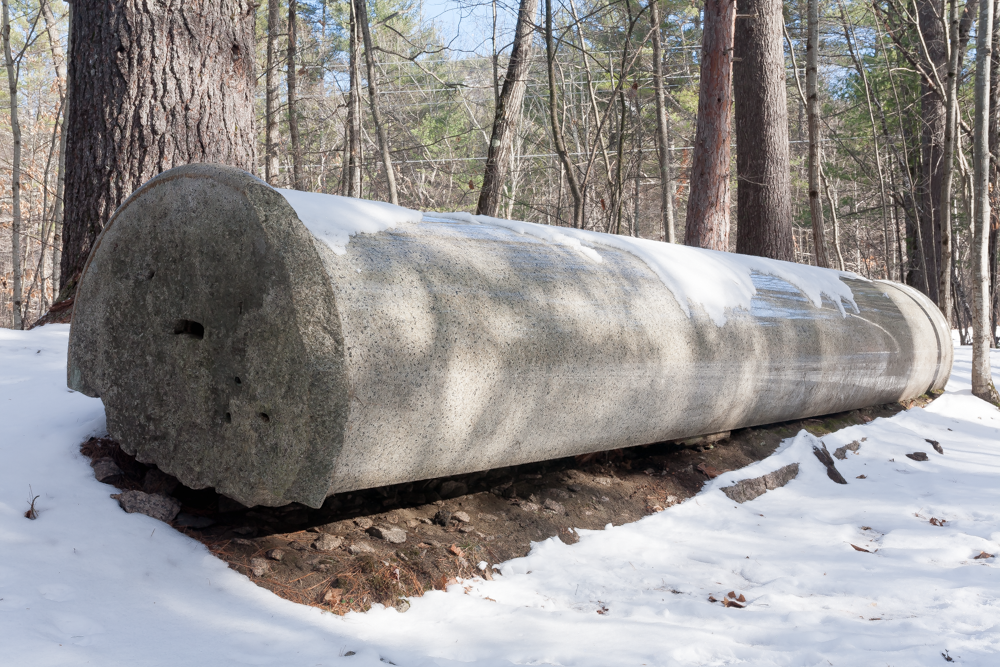
A huge granite column lies finished, but broken, at the side of the trail on the way into the quarry.

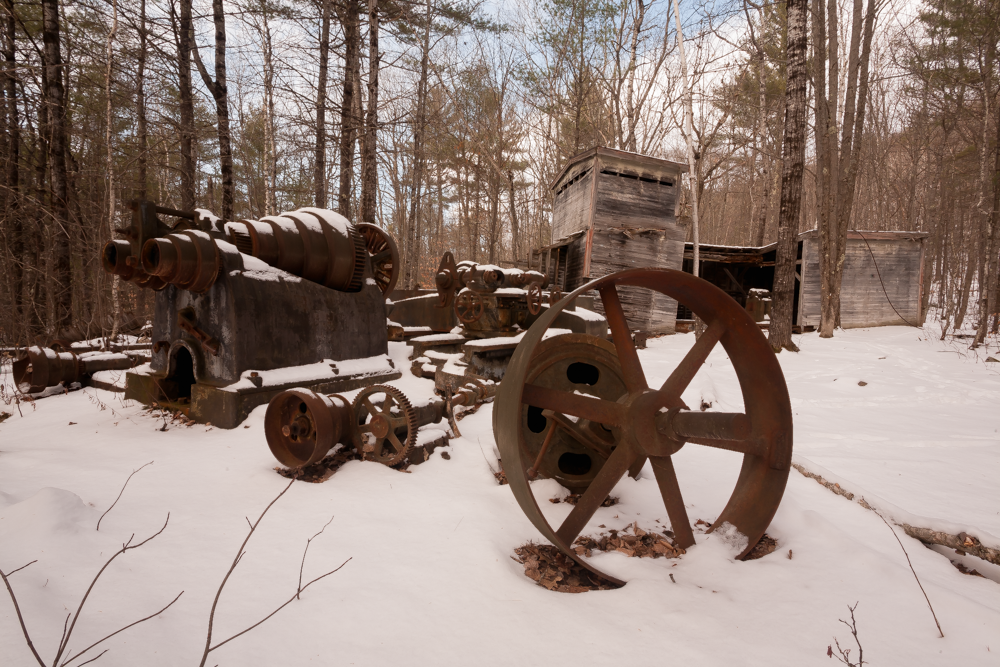
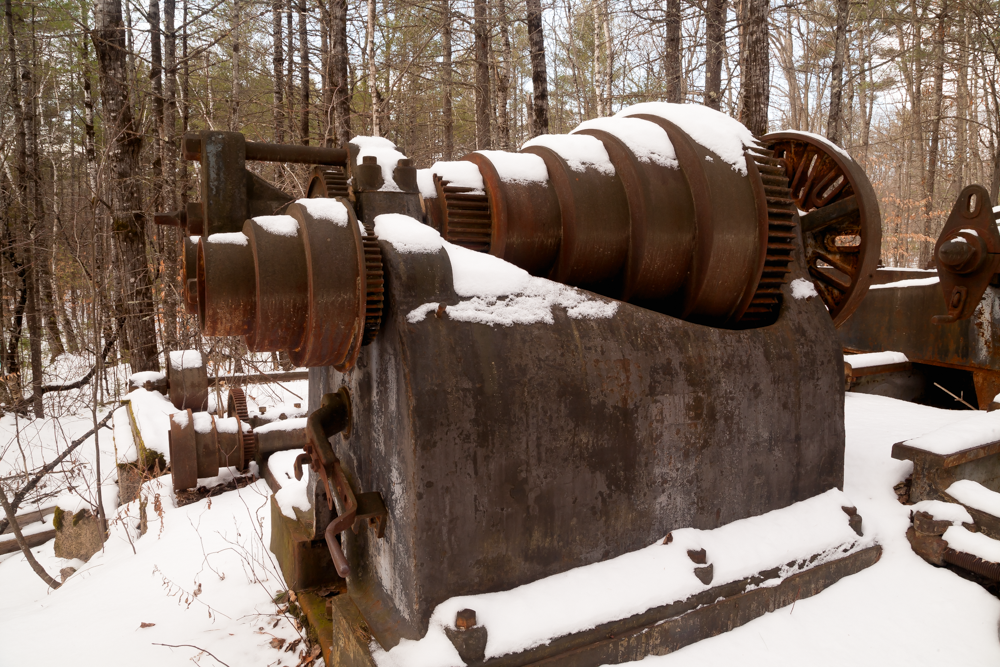
Further in, rusting hulks of huge lathes used to turn massive chunks of granite rest in and around the slowly collapsing remains of a shed.
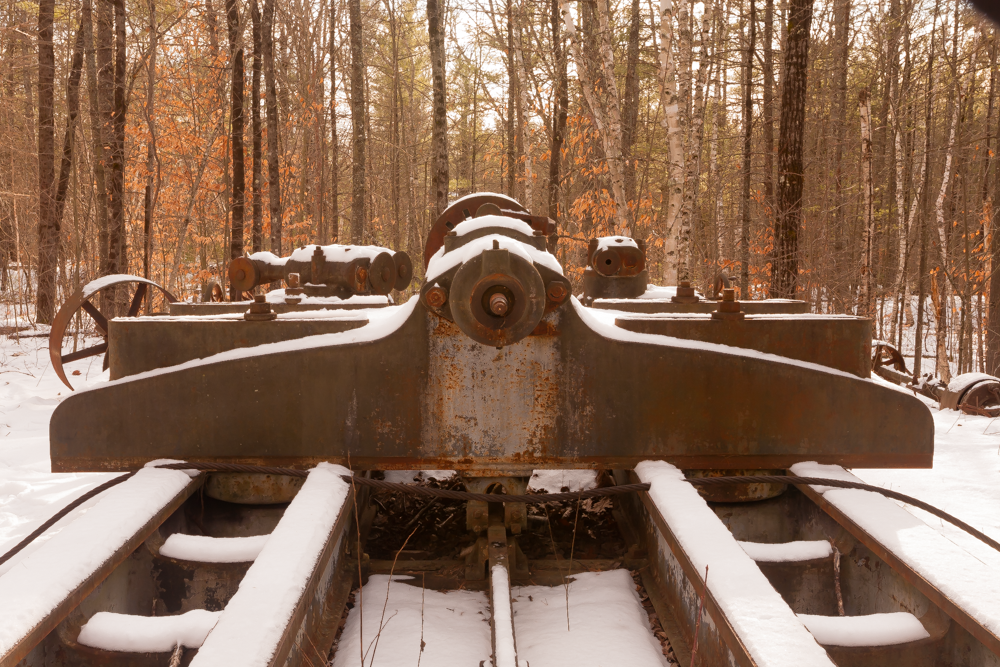
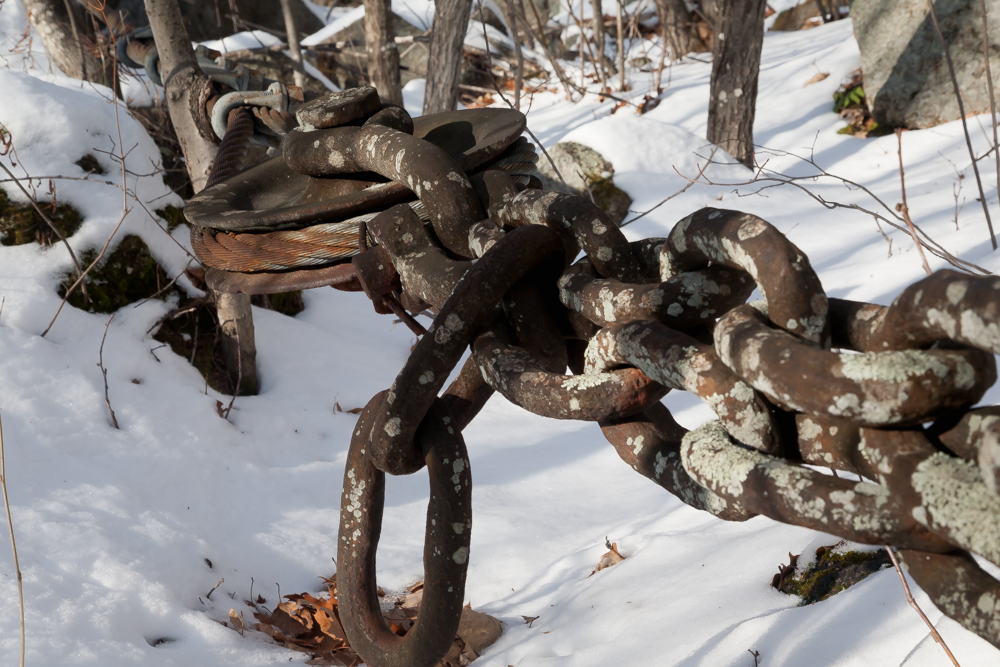
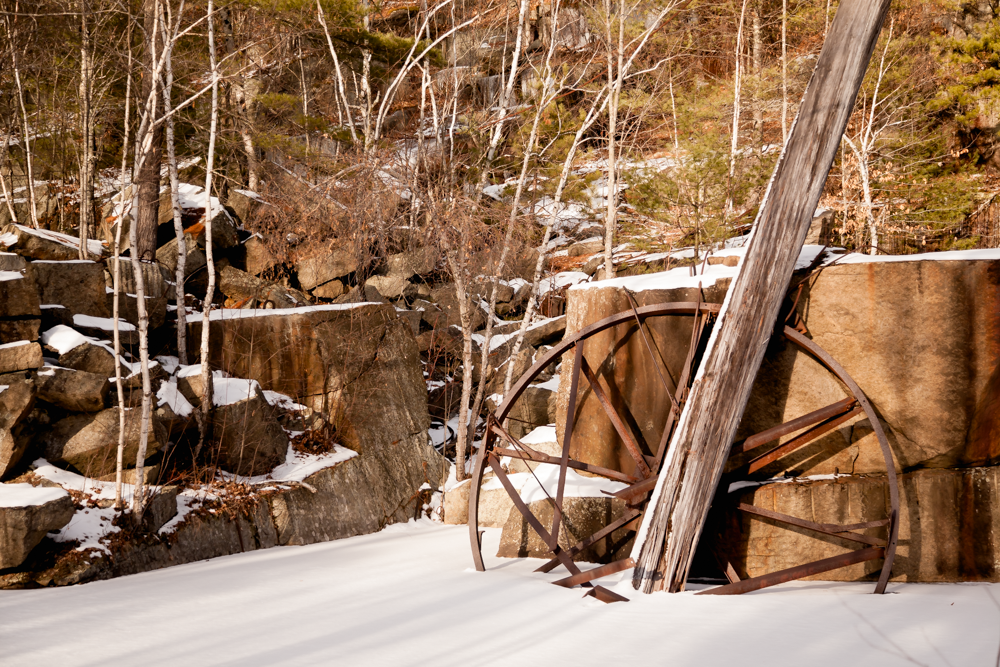
The granite came from the quarries located up the hill.  Today the cranes used to handle the blocks lie broken and half submerged.
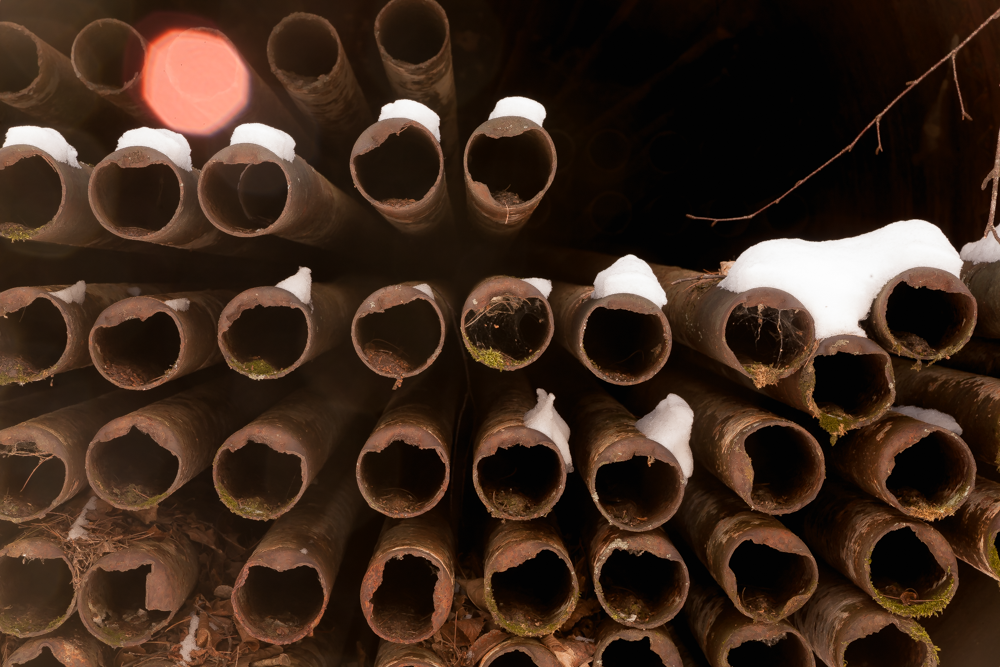
The tools used to quarry the rock were powered by compressed air that came from the boilers, engines and compressors located at the base of the hill leading up to the quarry.

Water in the Whites

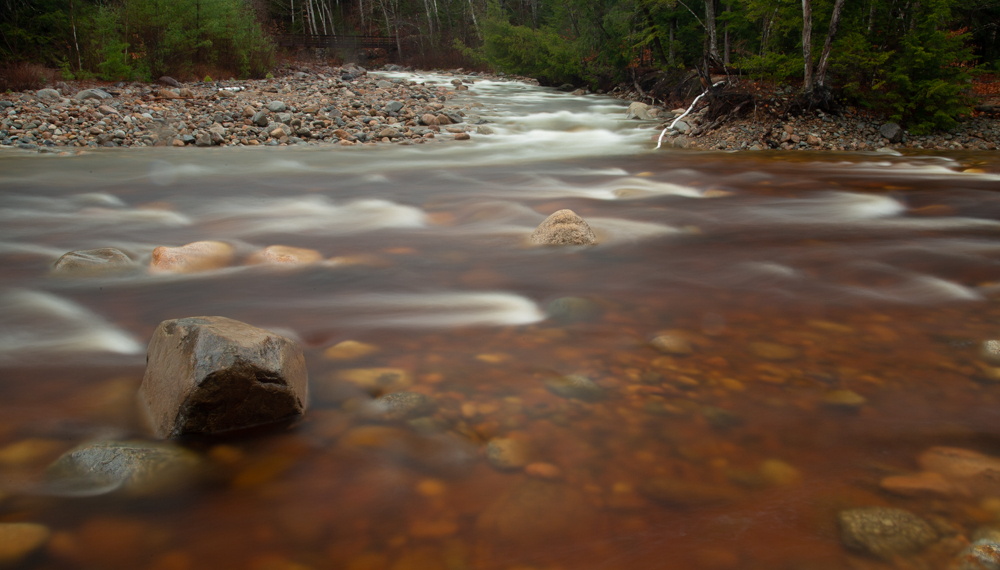
The White Mountains in New Hampshire is a favorite stomping ground of mine.  There are many ponds, lakes, streams and river that undulate and follow the unforgiving granite bedrock.  

The geology is shaped by magma intrusions and were worn and shaped by the tortuous grinding of glaciers in the last ice age.  The river and streams flow over rocky beds of broken boulders and tumble downward over cascades and waterfalls.

In early fall, the Waterville Valley cascades trail follows the Cascade Brook as it tumbles down the slopes of the mountain adjacent to the ski area

Where the ground is steep, Cascade Brook becomes a veritable waterfall.

Winters hard grasp decorates Champney Falls with frills of ice in a snowy landscape

The east branch of the Pemigewasset river provides flows from the midst of the white mountains, joining with the Pemigewasset which joins with the Winnipesaukee River and finally on the sea via the Merrimack River.

Numerous small brooks feed into the main flow

Odiorne State Park – December 2022

December 2022 saw a huge bomb cyclone hit the US with massive snowfalls and frigid temperatures across the US.  

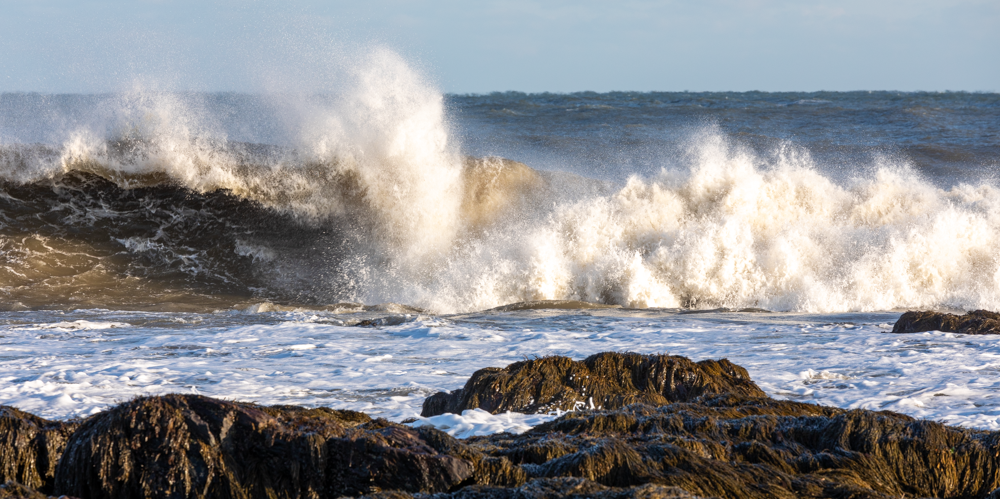
The day following the storm I decided to head out to the New Hampshire coast to try my hand at seascape photography.  We don’t have imposing sea stacks and massive sea swells here, but it was a chance to get out of the house and go something different.

The plan was to go for high tide, but with cleanup still going on after the storm, I ended up going in the afternoon closer to low tide. 

With temperatures around 20F and winds of 16 MPH, with the wind chill it felt about 4F.

This made camera handling a challenge.

But the wind caught the spray from the crashing waves and gave even more life to the scene.

The plan was to spend more time exploring the park, which is home to both a nature reserve and the remains of an old WW II Naval battery that protected the entrance to Portsmouth Harbor and the shipyards there. 

But it was a bit too cold and windy, the light was fading and the gates to the park would be closing soon.  It seemed like a good excuse to retire for the evening, but not without stopping to photograph a couple of things on the way back to the car.

Sculptured Rocks

With the cold starting to grip New Hampshire, I decided to take a trip out to Sculptured Rocks Geological Site in Groton.

There is no trail along the gorge carved out by the Cockermouth River.  So, you have to bushwhack along the river and find your way down to the river.

Given the conditions underfoot, this was done carefully, lest I lost my footing and ended up in the river.  This would end up with me having a really bad day.

Scouting in the summer to find good access points and marking them with the GPS is certainly a good idea.

I did find a couple of safe ways down into the gorge and it was well worth it.  The walls of the gorge were lined with walls of ice, frozen in the act of flowing over the rocks.

The rocks in the gorge themselves were glazed with ice and surrounded by a curtain of icicles that reach into the river.

Some of the ice was white and pristine, and others were stained with the tannins leached from the soil as the groundwater ran out through the rocks, resulting in a rust-colored stain in the ice.

This contrasts with the topping of whore snow that dusts the icy features.